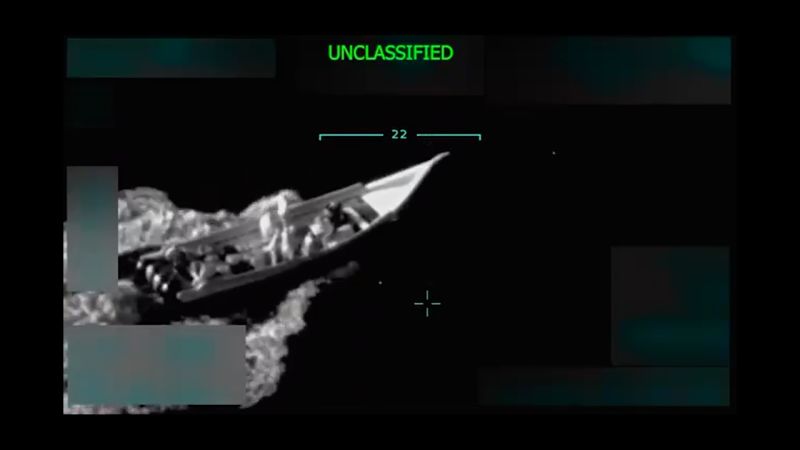
Caribbean Double-Tap Strike Sparks Legal Debate
#caribbean #narcoterrorism #maritime_interdiction #law
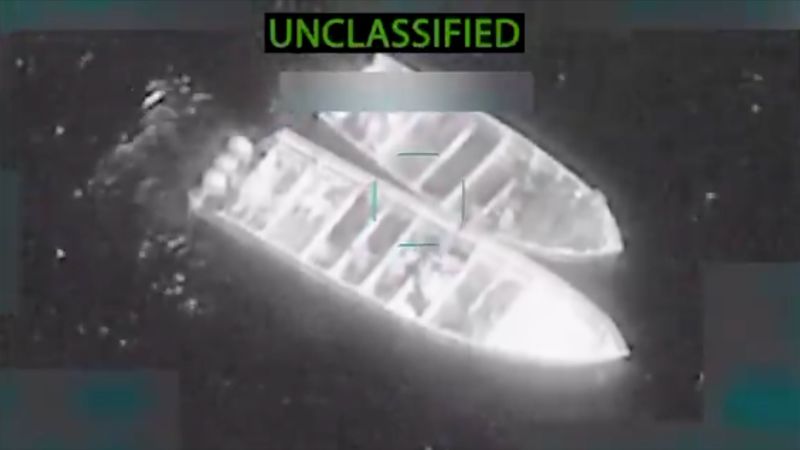
The US conducts a second airstrike on a narcotics vessel in Caribbean waters, raising legal questions and triggering international scrutiny.
The **National Liberation Army (ELN)** is a Marxist-Leninist guerrilla group founded in Colombia between 1963 and 1965 by urban intellectuals inspired by Fidel Castro’s Cuban revolution. The ELN combines Marxist ideology with liberation theology, a Christian movement emphasizing social justice and human rights, aiming to overthrow Colombia’s government and establish a leftist regime that empowers the poor and reduces foreign influence[1]. The ELN funds its activities primarily through kidnapping, ransom, extortion of oil and gas companies, and involvement in the illicit narcotics trade. It is notorious for attacking Colombia’s economic infrastructure, especially oil pipelines and electricity networks, using tactics such as bombings, ambushes, and roadblocks[2][6]. The group has about 1,500 combatants and operates mainly in rural, mountainous northern and northeastern Colombia, including border areas with Venezuela, where it also maintains cocaine trafficking infrastructure[2][3]. Historically, the ELN began an armed insurgency in 1964, often collaborating with or clashing against the Revolutionary Armed Forces of Colombia (FARC), another major guerrilla group. Notably, Catholic priest Camilo Torres joined the ELN in 1966, reflecting their blend of Marxism and Christian liberation theology[1]. Despite peace talks with the Colombian government in the 2010s, including a ceasefire in 2017, violent attacks have persisted, such as assaults on police academies and civilians, leading to resumed conflict[2][6]. The ELN is designated as a Foreign Terrorist Organization by the U.S. since 1997 due to its violent tactics and threats to regional stability[2]. Strategically, the ELN is part of a broader Bolivarian alliance influenced by Cuba’s Communist Party and Venezuela’s ruling socialist party, amplifying its regional geopolitical significance[3]. Its resilience and adaptability have allowed it to fill power vacuums left by demobilized groups like
#caribbean #narcoterrorism #maritime_interdiction #law
The US conducts a second airstrike on a narcotics vessel in Caribbean waters, raising legal questions and triggering international scrutiny.
#us_military #drug_trafficking #international_relations #geopolitics
The Pentagon shifts focus from the Caribbean to the eastern Pacific to disrupt cocaine trafficking networks and dismantle drug supply chains.